

Tracing the history of handbag trends provides insight into the evolution of luxury.
As a reflection of the shifting relationships among style, societal norms, and the mastery of the craft, the development of premium handbags is quite remarkable. The journey of the handbag is one of significant change, starting as a mere practical pouch and developing into an emblem of prestige in the modern era. The expansion of train travel in the 19th century generated a need for bags that were functional and chic, giving rise to handbags, such as the celebrated trunks from Louis Vuitton, and eventually, the creation of adaptable luggage that could be readily transported.
Throughout the course of the 20th century, various societal shifts, such as the liberation of women, had a demonstrable impact on the evolution of handbag aesthetics. The distinctive fashion of the 1920s, characterized by its liveliness, was often accessorized with diminutive and sophisticated purses. With the arrival of the mid-century, luxury brands such as Chanel brought forth the quilted handbag, infusing it with glamour and sophistication that elevated it beyond its basic utility. As the 1980s and 1990s unfolded, logos occupied a more central position, causing handbags to be viewed as indicators of elevated status, complete with the recognizable brand signatures of design houses like Gucci and Hermes.
With consumers increasingly seeking to express their individuality while acting responsibly, the fashion sector has, in recent years, pivoted to highlight sustainability and personalized luxury. We now see handbags that are frequently made with ecological materials and feature inventive designs, celebrating tradition while simultaneously adopting a modern look. The manner in which luxury handbags maintain their relevance by adapting to society's evolving tastes and values is made evident by this evolutionary narrative.
We are observing groundbreaking innovations that are redefining materials and craftsmanship in design and fabrication.
The cutting edge of innovation for luxury handbags rests firmly on the foundation of superior materials and expert craftsmanship. Designers dedicate themselves to the perpetual investigation of innovative approaches and raw materials, with the objective of fabricating artifacts that are simultaneously enduring and at the forefront of trends. The inherent durability and classic aesthetic of traditional leather solidify its position as a consistent favorite. A movement toward materials that are both sustainable and ethically sourced is currently being observed within the industry. Cactus and pineapple are among the plant-based origins for vegan leathers, a material whose popularity is growing because it delivers luxury without environmental compromise.
Technology's paramount importance is evident in its capacity to enhance and progress craftsmanship. With the capabilities of precision technology, such as laser cutting and 3D printing, intricate designs previously out of reach by hand can now be brought to life. The adoption of these techniques results in artisans being able to produce handbags of exceptional detail and embossed artistry, thereby greatly improving their visual charm. With an emphasis on quality and uniqueness, the brand upholds the enduring value of artisanal procedures like hand-stitching and hand-painting, thereby retaining the human touch.
Precious metals and innovative fastening mechanisms are integral to the hardware, which, in its overall design, introduces a refined sophistication and a heightened degree of functionality. Durability and texture are being amplified through designers' experimental use of unexpected materials, notably carbon fiber and coated canvas. In an era where fashion is shifting towards personal expression, bespoke artistry and individually crafted aspects are gaining significant traction, offering buyers the chance to hold a truly singular creation. The sustained identity of luxury handbags as symbols of status and modern art is attributed to their combination of traditional elements and innovative design.
Presenting a collection of luxury handbags that are both stylish and conscientiously crafted for the environment.
In the contemporary setting of upscale handbags, sustainability has been recognized as an imperative factor, forging a connection between ecological awareness and the elevated standards of high fashion. With a sharper intellect and a more critical approach, today's consumers are in pursuit of products that feature style and superb manufacturing alongside a clear indication of environmental consciousness. To satisfy this particular requirement, premium labels are introducing novel approaches with environmentally conscious substances and fair trade production techniques. Forward-looking designers are adopting an ecological perspective, frequently employing materials such as organic cotton, leather processed with vegetable tannins, and fabrics reborn from waste.
These alternatives provide a means to decrease the environmental impact generated during production, thereby offering consumers guilt-free opportunities for indulgence.
Brands including Stella McCartney have been instrumental in leading the movement towards cruelty-free and sustainable fashion, achieving this without ever letting go of the luxury aspect. The alteration isn't restricted to the substances involved; it stretches across the whole making process, covering the guarantee of equitable employee conditions and the reduction of ecological impact. A key development in luxury fashion is the rise of transparency, fueled by a consumer demographic that demands more insight into the creation process and the lifecycle of their luxury goods.
With the rise of circular fashion, which actively promotes the resale and ecological recycling of luxury handbags, the industry's pledge to sustainability is made evident. The adoption of these ecological habits by the luxury handbag market signifies more than just trendsetting; it establishes a new and profound understanding of true luxury for the contemporary age. The future of luxury fashion is undeniably being molded by sustainability, a trend that is constantly progressing and evolving.
Fashion and technology are meeting in modern handbags, which are now designed with intelligent features.
The luxury fashion industry, characterized by its constant evolution, is now experiencing a profound merging of technology and style, with handbags standing out as a key area of this transformation. As consumer preferences are in flux, brands are undertaking the infusion of cutting-edge technology into their traditional craftsmanship to present a multifunctional companion, rather than just a fashion statement. Luxury is being reimagined through the integration of smart attributes in current handbags, thereby ensuring these accessories remain at the forefront for a discerning clientele that embraces technology.
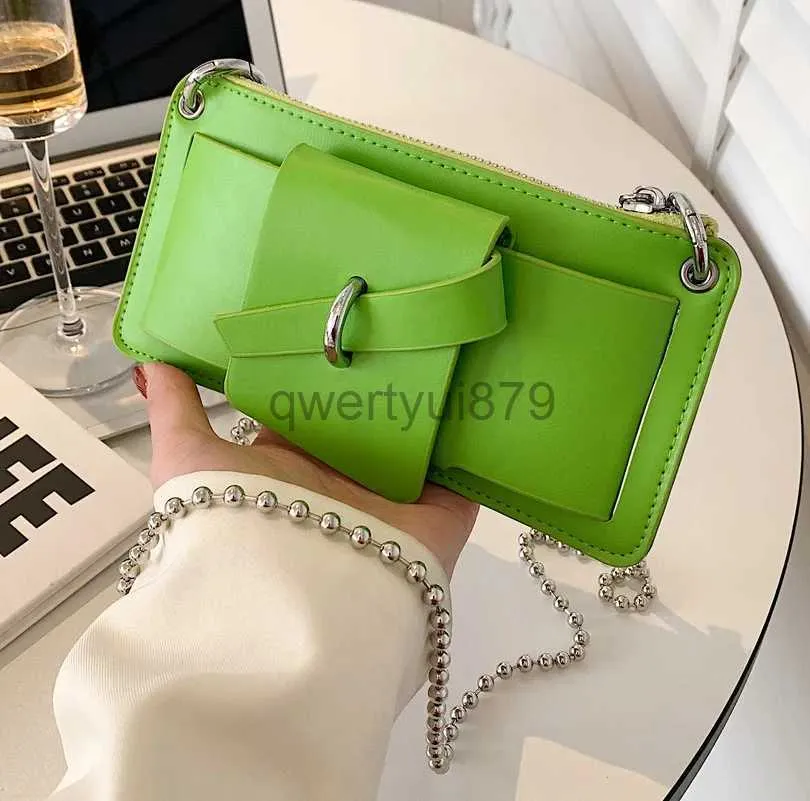
Handbags designed with wireless charging capabilities are at the vanguard of this developing trend. The ever-growing dependency on smartphones underscores the value of untethered, portable power for devices, a feature that bypasses the need for cumbersome wiring. With their discreet charging pads, these bags are transformed from everyday accessories into sources of mobile power. Beyond that, a number of premium handbags are now incorporating LED lighting elements, providing light that is simultaneously useful and aesthetically pleasing.
The issue of rummaging through a bag in the dark, a source of significant frustration for many, is expertly handled by this feature, which delivers a gentle light to increase convenience.
In addition to tangible improvements, the realm of luxury is now incorporating cutting-edge security measures as an intrinsic element. Personal belongings are kept secure by bags featuring biometric locks or RFID protection, a trend that highlights an increasing focus on safeguarding privacy and security. Learn more of technology guarantees that the merging of fashion and practical design keeps luxury handbags relevant and trendsetting, drawing in consumers who value both elegance and groundbreaking features.
It's evident that pop culture's influence on handbag trends is amplified by the power of celebrity endorsement.
Celebrity power holds a commanding position, profoundly influencing the direction of trends and the purchasing decisions of consumers in the continually shifting arena of premium handbags. Pop culture personalities are more than just followers of fashion; they serve as trendsetters, and their selections can dramatically boost a particular design or brand into widespread acclaim. When a star is observed in possession of a particular handbag, it frequently leads to an amplified demand from consumers looking to replicate their styling choices.
The widespread adoption of social media platforms, where celebrities showcase their newest fashion discoveries, serves to magnify this phenomenon, effectively transforming their individual preferences into worldwide obsessions.
Both celebrities and the world of luxury handbags profit from their association in a way that benefits both sides. An air of exclusivity and desirability is often injected into designer collections by leveraging celebrity endorsements or collaborative efforts. A bag's journey to becoming an essential accessory is frequently spurred by its association with a major partnership or a high-profile red-carpet event. The influence of celebrities transcends basic marketing, providing the brand with a narrative that cultivates a personality and a story designed to resonate powerfully with consumers.
Furthermore, pop culture plays a significant role in exposing handbags to varied demographics, which in turn enhances their widespread attraction. Icons moving through the interconnected worlds of sound production, visual storytelling, and sartorial expression tend to obfuscate the boundaries that traditionally separate these professions, thereby swaying a multitude of consumers. This animated interplay acts as a vital component in keeping luxury tote artisans pertinent, highly sought-after, and perpetually in vogue.
For investment pieces, comprehending the substantial value of exquisite handbags is paramount.
The fascination surrounding luxury handbags as investment assets extends its reach far beyond their superficial aesthetic qualities. With the progression of time, these possessions that are highly in demand often demonstrate an upward trend in their financial valuation, thereby serving as both statements of current fashion and sagacious financial plays. Appreciating the worth of designer wallets necessitates an understanding of the components that underpin their value. The significant influence of brand heritage is evident, as heritage brands such as Chanel, Hermes, and Louis Vuitton are able to command higher prices, a testament to their long-standing reputation and recognizable designs.
A significant factor that elevates the value of these handbags is their exceptional craftsmanship coupled with their scarcity. The particular desirability of handcrafted pieces stems from their meticulous attention to detail and their limited production numbers. When employing premium substances, for instance, unusual hides or one-of-a-kind metal components, their desirability and potential as an investment are elevated.
A further critical point involves the handbags rich historical and cultural relevance. Possessing enduring charm, iconic handbags such as the Hermes Birkin and the Chanel 255 owe their lasting appeal to their timeless sophistication and rich histories. Fashion trends contribute to the dynamic of bag valuation; some bags maintain their timeless appeal, whereas others can experience a surge in monetary value thanks to endorsement by celebrities or attention from the media. Ultimately, navigating the fluid world of coveted handbags with financial acumen requires keeping a keen eye on the newest tendencies and discerning the nuanced connections between a manufacturer's renown, its visual artistry, and the principle of rarity.